Thursday, March 24, 2022

Smart Home for Pets: Transform Your Space into a Pet Paradise

If you’re one of those people who truly love dogs, you would get what we mean when we say that bringing home a new puppy is one of the most exciting experiences one could ever have. After all, who doesn’t want a cute, loyal and intelligent companion with such a fun personality?

However, even if puppies are cute, there are things that you should be prepared for. Say you’ve decided to get a Shiba Inu puppy or a Maltese, would you know what to do given the dog breed and age of your new dog? It’s important to first get to know the breed and then learn how to properly puppy-proof your home to prepare for her.

Getting to Know Your Puppy

Puppies require more care, attention and patience than older dogs. Indeed, puppies are cute, but there is a lot more to know in order to responsibly own a new puppy and welcome them into your home.

First off, know what breed your puppy is. This would allow you to prepare for a lot of things. If you got a breed with long hair, you know that the main thing that you need is a set of combs and brushes that would allow you to maintain that coat and avoid matting.

Second, know the size of your dog. You would not want to buy a dog bed that you would eventually have to replace because your puppy doubled in size in just a month or two. The same goes with feeding bowls. You can start with small standard bowls, but if you got a Labrador or other big breeds like Great Danes, know that you would need thrice the size of that when it comes to feeding.

You should also know the characteristics of your dog. Are they suited for a household with kids like a Shiba Inu puppy or a Golden Retriever? Do they do well with other animals? How much exercise and training do you need? Knowing these things will prepare you for becoming the best paw-rent possible.

Puppy-Proofing Your Home

Ever heard people saying that they are baby-proofing their home? Newsflash! Now that you are getting a new puppy, you also need to puppy-proof your home. Here’s a quick checklist to help you out.

Organize your cords and cables!- Wires, cords and cables can be very intriguing for your new puppy. Other than the hassle of having to buy new cords, this can also be very dangerous for your pup if any of the cords are plugged.

Having a designated space for medicine and other drugs- Like kids, a new puppy is very curious. A bottle that makes interesting and rattle-like noises might be a bottle of paracetamol to you, but to your pup, it is a new toy. Make sure you keep them out of reach.

Get rid of poisonous house plants- Some plants are poisonous and have lethal effects on canines. To avoid heart-pounding trips to the vet, it’s best to research the plants that you currently have and get rid of the ones that could potentially harm your puppy.

Secure doors and windows- Looking for a lost puppy is one thing you do not want to experience. Make sure that your doors and windows are secured well so you never have to post or print a sign saying “MISSING”.

Things You Need for a New Puppy

Like preparing for a baby on the way, there are also some things that you need to get before bringing home a new puppy.

1. Pet comb and brush- Whether long or short-haired dogs, you still need to do some brushing. Even if your dog has short hair, brushing will get rid of loose hair from shedding. Whereas for long-haired dogs, brushing will keep the coat smooth and beautiful while also preventing matting.

2. Blow dryer/Hair dryer– Another trick is to blow dry them to get rid of any loose hair. Just remember that if blow-drying is a part of your grooming plan moving forward, you need to get the puppy used to it. If not, they may not enjoy it or even oppose it as much as nail clipping.

3. Leash and harness– In order to bring your puppy out for walks and training, you’ll need a high-quality leash and harness. Don’t buy cheap leashes that will eventually get chewed up.

4. Food and water bowls– Get good quality dog bowls, preferably not cheap plastic ones. You don’t want to keep buying bowls every two weeks. It’s best to buy something that would last for months or even years with your puppy.

6. Dog beds & blankets– Although some puppies can adapt to cold and hot weather, it is still good to give them their own cosy space should they want to snuggle, rest or just relax.

7. Quality Dog Food– Make sure to feed your puppy with the right type and mix of dog food. Remember to give him puppy food during his puppy years and make the switch towards the 12th month.

Final Thoughts

Being a pet owner is a big responsibility. Make sure that when you decide to bring home your new puppy, you are prepared to give them time and attention. And make sure that you prepare your home and life properly so that your puppy can live a happy, healthy life.

The post Smart Home for Pets: Transform Your Space into a Pet Paradise appeared first on Smart Home Pets.


source https://www.smarthome-pets.com/blog/how-to-pet-proof-your-home-for-your-new-puppy/

Thursday, February 3, 2022

Smart Home for Pets: Transform Your Space into a Pet Paradise

There was a time when home automation was merely a dream for many. Fortunately, through technological and other advancements, the world has managed to turn that dream into a reality. Today, there are countless ways to make your house chores and tasks easier and more manageable.

With home automation, you can control and navigate devices by simply using a mobile app. It is a remarkable option people with busy schedules can consider making their work and home life stress-free. But if there is anyone who can benefit more from a smart home than a homeowner – it’s your little furry friend!

Whether it is a smart food container or sliding dog door, there are an unlimited variety of devices available to make your pet have the best time of their lives when you may not be home.

So, if you’re wondering how you can use smart home technology to care for your furry friend in a smarter and better way, look no further than this guide.

Pet Life Moda Pure Water Fountain

The Pet Life Moda is an advanced smart water feeder that comes with a built-in filter that eliminates all kinds of impurities such as chemicals, heavy metals, and harmful bacteria – leaving clean water for your pet to drink. Moreover, this modern feeder also includes a water level indicator, automatic shut-off, a sump pump, and an easily removable inner container that can be refilled.

This water foundation might be a necessity rather than a luxury. No pet owner wants to leave their pet thirsty for hours in case they aren’t home to provide them with water. Moreover, the importance of fresh and clean water for your pet’s health can not be underestimated.

As a pet owner, you don’t always have the time to ensure your pet’s water supply is clean and free of harmful bacteria and objects, which is why having this water fountain at your home will not be less than a blessing!

Dog Doors for Sliding Glass Doors

There is a wide variety of smart dog doors for sliding glass doors available for your furry friends. However, on top of our list is the Endura Flap Vinyl Sliding Glass Door.

A water-resistant patio panel with a built-in pet door enables your dog to go in and out of the house while keeping it insulated. It also includes a durable and ideal-quality flap that comes in several sizes.

Therefore, it’s also an excellent choice for adult dogs!

Automatic Pet Feeder

Food and water are two necessities in life, whether it is for us humans or our furry friends. Apart from providing your pet with fresh and clean water, it is also equally important to provide it with sufficient home every day. Fortunately, several Bluetooth pet products are available in the market that can help you ensure that.

For example, a Smart Pet Feeder will ensure your pet never has to stay hungry in case you’re unavailable. All you have to do is make time to fill up the feeder in bulk, and the rest will be taken care of. The feeder will dispense meals for your pet whenever required. And you, as their parent, will be given the power to manage when the food is dispensed through the touch of your smartphone.

Amazing, isn’t it?!

Smart Pet House

Another necessary product that can prove to be life-changing for you and your pet is a Smart Pet House like the Pet Life Hush Puppy collapsible smart pet house. With this smart house in your life, you will not have to worry about your furry friend being too cold or too hot if you’re ever away, as it will keep your pet in optimal temperatures every second of their lives.

It is a pet home with a built-in smart heating and cooling system. The house comes with a fan on the inside to keep your furry friend cool on a hot summer day and a heating mode that provides warmth during the winter.

Moreover, this smart pet house contains a thermal control technology that will monitor the climate inside your home at all times and manage heating and cooling systems accordingly.

Self-Cleaning Litter Box

Although we love our pets and would do everything to make them happy, there is one task that every pet owner despises. Yes, you guessed it right! It’s cleaning out cat litter. But thanks to smart pet care technology, including this self-cleaning litter box, you will never need to clean out your cat’s litter by hand again.

The litter box includes a sensor that detects when your cat is littering and automatically starts to clean the litter box 10 minutes after your cat has left.

Smart Pet Toys

When everything in your pet’s life is filled with smart technology, it only makes sense for their toys to be the same. You can keep your pets occupied whether you’re at home or away with these smart pet toys.

Two excellent options for these smart pet toys include GoBone and PetCube. GoBone is a chew toy that comes with built-in intelligent software that adjusts accordingly to your dog’s behavior and gets them running on a game of chase. The toy also has a rechargeable battery.

Another fascinating toy for your pet is PetCube. It can be used to monitor your pet round the clock and includes a laser that helps you interact with your pet – This laser can also be switched to autoplay mode. So, you can communicate and entertain your pet even when you’re away! What more could you ask for?

Smart Pet Gadgets for Your Smart Home

Every pet owner wants the absolute best for their pets. But unfortunately, it is possible to fall short with unlimited work and other chores.

Thankfully, in today’s world of technological advancement – nothing remains impossible. No matter how swamped you are at work, you can still provide the best facilities for your pet through the art of home automation.

The post Smart Home for Pets: Transform Your Space into a Pet Paradise appeared first on Smart Home Pets.


source https://www.smarthome-pets.com/blog/smart-home-for-pets-transform-your-space-into-a-pet-paradise/

Wednesday, February 2, 2022

5 Best Ways to Promote Health & Wellness for Your Dog

Being a pet owner is amazing. It allows you to spend time with your favorite animal and do things that you both love.

Walking home to your furry buddy waiting to hug you or wanting to play with you will help keep you going when things get tough. If you own a dog, you must take good care of it to ensure that it lives a healthy and long life.

There are many ways to promote the health and wellness of your dog. You can become a better dog owner by doing the following things.

1. Offer the Correct Portions of High-Quality Feed

One of the best ways to promote your dog’s health is by providing it with the correct portions of high-quality feed. It is quite common for dog lovers to overfeed their pups. Besides this, feeding the wrong food is also an issue.

As the Association for Pet Obesity Prevention reports that around 60% of pets are obese, it is important that you keep an eye on how much you are feeding your bundle of joy. This extra weight leads to diabetes, hypertension, hypertension, and arthritis in pets, which results in a shortened lifespan and costly vet bills.

Here are some things that you need to do to feed your dog right.

  • Feed the correct portions.
  • Only feed the right human food.
  • Shop for high-quality dog food that uses healthy ingredients.
  • Stick to the feeding instructions mentioned on the packaging.
  • Ask your vet for recommendations if your pet has underlying health issues.
  • Make sure that your dog gets sufficient protein from chicken, turkey, and salmon.

2. Get Your Pet to Exercise Daily

Next, you need to make sure that your dog exercises daily. It is the only way that it can remain healthy. Since pet obesity has become a huge problem, you must encourage your pup to exercise. After all, you have to get it to burn off the extra calories.

Experts state that exercise also offers mental benefits. If your dog does not exercise daily, it could end up developing destructive behaviors and mood disorders. You must try different things to get your furry buddy to remain active.

A general rule of the thumb is that puppies need 5 minutes of exercise for every month of their age. If your puppy is 1 moth old then 5 minutes of walk would be sufficient exercise for the day. If its 2 month old, 10 minutes would suffice and so on.

However, some breeds need more exercise then others. For example, German Shepherd puppies are more active then Yorkie Poo puppies, and thus require more exercise.

The same is true for adult puppies, i.e. dogs.

Generally, dogs enjoy getting physically active for an extended period of time. Make sure that your little one walks for at least an hour daily. The breed of your dog would influence how much it needs to exercise to stay happy and healthy.

The truth is that exercising with your dog is easier than you think. It will also provide you and your dog an opportunity to bond.

3. Get Engaging Toys

Since you cannot be with your pup every single moment, it is a good idea to get lots of engaging toys. It will ensure that your dog can play with enriching toys to stay active. When it comes to overall health, mental stimulation is essential.

The worst mistake that you can make is getting meaningless stimuli for your pup. It would only prove detrimental to its overall well-being. Leave the toys out so that they can play in your absence and not get bored. Get some puzzle toys for your little one to keep it mentally sharp.

It is also important that you regularly shop for new toys to keep your pup excited about playtime. Keeping it occupied for long hours is a sure way to promote its health and wellness. Your dog should get tired from exercising and playing so that it can relax.

4. Get Your Pup Checked By the Vet Twice a Year

Who says that you should only visit the vet when your pup gets sick? It is crucial that you take your dog to the vet twice a year for routine checks. This would ensure that your bundle of joy remains healthy and help prevent an illness early on.

The secret to keeping your pets healthy is prevention. Semi-annual check-ups with the vet will protect your little one’s health and wellness. Besides, it is easy for you to mistake the illness for something else. It is also worth mentioning that animals can even hide their illnesses at times.

Visiting the vet at least twice a year for a check-up will put a stop to an underlying condition and ensure that it does not get worse.

During the check-up, your pup would get vaccinated and undergo a thorough physical exam to determine if there is any condition that might have been overlooked. Make sure to discuss all your concerns with the vet to ensure that you both are on the same page.

5. Brush Your Pup’s Teeth Daily

Although it is not easy to brush your pup’s teeth, you must brush its teeth daily to keep it healthy. There are many benefits of brushing dog teeth every day. Oral health is something that most pet owners do not take seriously. However, it is a mistake that you must avoid.

To avoid periodontal disease, your pup must have clean teeth. At-home dental care goes a long way in helping keep your little one happy and healthy. It would prevent a variety of health issues.

Similar to how important our oral health is, dogs also require oral care. If you do not brush your pup’s teeth, you will put its gums and teeth at risk.

The periodontal disease would affect the bloodstream of your dog and take a toll on internal organs such as the liver and kidney. Hence, brushing is the only way that you can stop irreversible damage.

There are various pet-safe products that you can use to combat bad breath, plaque, and tartar that plague your pup. In fact, the products are tasty and loved by dogs.

Takeaway

From feeding the right portions of high-quality food to brushing your dog’s teeth daily, the above tips will help promote the health and wellness of your bundle of joy. Now, you can become a better pet owner and overcome health issues that affect your pup.

The post 5 Best Ways to Promote Health & Wellness for Your Dog appeared first on Smart Home Pets.


source https://www.smarthome-pets.com/blog/5-best-ways-to-promote-health-wellness-for-your-dog/

Thursday, January 13, 2022

How Tech Makes Pets’ and Furparents’ Lives Safer

Having a pet at home can be a big responsibility, but it also has its advantages. Pets can sense when we’re feeling down and comfort us, alert us of intruders, or, as a previous post on an Orange County family discusses, even save our lives.

Having said that, however, pet owners understand that safety and health is a two-way street. There are plenty of advanced devices we can use to keep both us and our pets safe, and we’ve listed out a few of those below.

Artificial Intelligence Toys

Anxious pets can end up causing destruction the moment they are left alone. As important as daily life and work are, we have to take into account that our pets don’t know when are we going to come back. Many overly playful pets can end up hurting themselves if no one’s around to watch them.

One way to keep your pets distracted and away from destructive urges is by using automated pet toys. For example, Felik is a smart pet toy that uses a laser to play with your dog or cat while you are away. The impressive thing about it is that it uses a camera and A.I. to identify multiple pets, as well as prevent your pets from stepping into unwanted areas, like broken glass or hazardous materials.

Smart Dog Kennels

It can be pretty stressful for an owner to go for a walk with their dog, only to discover pets aren’t allowed inside a particular business. In most cases, people just leave their dog leashed to a pole or fire hydrant while they do their errands, with both owner and pet worried the whole time.

Smart kennels like DogSpot are a safe and temporary solution for temporary housing for your pets in an emergency. These kennels come with both air conditioning and heating settings, keep your pets safe, and provide owners with a live camera to monitor their behavior.

Remote Controlled Pet Feeders

Treats are a great motivator, and modern feeders with cameras are one way pet owners can keep track of their pets when they’re out of the house. But what happens when feeders offer a treat but the pet is nowhere to be found?

CHZENG’s automatic pet feeder remote controlled system allows you to remotely drive the wheeled device around the house, so you can keep an eye on your furry companion. It also comes with a speaker, allowing you to call them to the feeder if food isn’t temptation enough.

Wearable Safety Devices

Animals aren’t always helpless creatures, and pets can help guide their humans too. Many people living with disabilities, for example, have service or support animals that act offer both support and companionship.

Service animals can work in partnership with other automated devices to help keep both owner and pet healthy and safe. SymptomFind’s guide to safety alert devices mentions wearable devices that can alert both family members and emergency services with the press of a button. There are also pet-appropriate alternatives that can alert first responders of pets and keep both owner and pet safe during medical emergencies.

Pets and their owners have a unique, irreplaceable bond that can’t be replicated. Thankfully, modern technology has opened up new avenues for pets and their owners to have longer, healthier, and happier lives together. If you want to stay safe and connected with your pet, automation and smart home tech is the key to doing it.

The post How Tech Makes Pets’ and Furparents’ Lives Safer appeared first on Smart Home Pets.


source https://www.smarthome-pets.com/blog/how-tech-makes-pets-and-furparents-lives-safer/

Monday, January 3, 2022

7 Things You Need to Know Before Adopting Husky Poodle Mix

Husky-poodle, Poodle-husky, Huskypoo, Huskydoodle, or Siberpoo. Regardless of what you call them if you’re looking for a highly energetic, extremely intelligent dog, then a Husky Poodle mix may be exactly the dog you’re looking for. This is a hybrid mix that mixes a Poodle’s intelligence with the loyal but independent nature of a Siberian Husky.

While these dogs can be terrific best friends, they also can be demanding when they want something, so owners beware! These dogs will bring you the best of the Poodle and the Husky along with a few other relatively desirable traits thrown in for good measure.

This is not a common or well-known hybrid breed, but it certainly can be a challenging one. So, if you find intelligence, abundant energy, and a good challenge appealing, a Husky Poodle certainly merits your consideration. Here are seven things you should know before adopting.

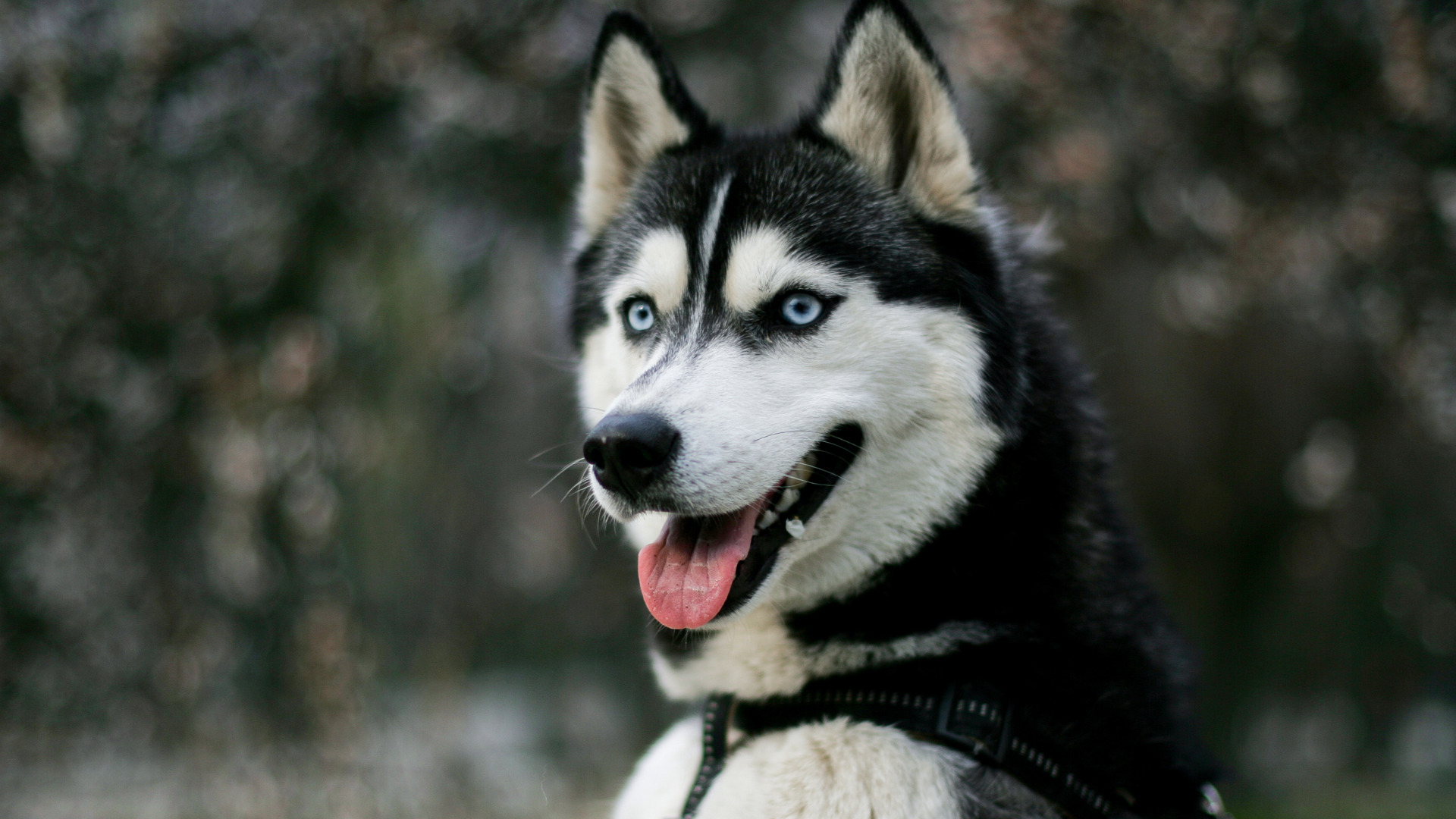
Husky

General Overview of a Husky Poodle Mix

  • Breed: Hybrid of Siberian Husky with a Poodle
  • Weight: 45 to 60 lbs.
  • Height: 13 to 22 inches
  • Personality: Active, audacious, smart, stubborn, and a bit temperamental
  • Fur: Hypoallergenic, single or double coat, shed

This hybrid breed matches a working dog, the Siberian Husky, with a non-sporting companion breed, the Poodle. It was originally bred to offer a Hypoallergenic breed alternative to allergy sufferers, ideally with the Husky’s personality and a Poodle’s fur coat, although there are no guarantees. When dealing with this hybrid, it’s a roll of the genetic dice.

1. The Husky-Poodle Appearance

When considering appearance, it truly can be like playing the lottery. You may have a puppy that looks like a poodle but with Husky coloring or vice-versa. The tail can be straight or feature the Husky curl and eye color may turn out brown, black, or icy blue. 

Both males and females will fall into the 13 to 22-inch range in size and the form of legs will depend on the luck of the draw. They can be muscular if large dogs, or delicate and stumpy if smaller. Larger examples that surpass 18 inches will likely be heavier in weight.

These dogs can come in a solid coat color or a mixture of two or three colors typically gray, black, or brown. Fur coats can feature a double coat and look thick and shaggy, or a single long coat that can be shaped and groomed.

2. Personality

A Husky-Poodle mix screams “Pay attention to me”, and you can’t ignore them, or they’ll reward you by chewing anything within reach and being generally destructive. You’ll need to play a lot as boredom can have unhappy consequences. Both poodles and huskies tend to be loud, and the characteristic Husky howl may end up in the genetic package.

While your Husky-Poodle may love you, they won’t necessarily warm up to strangers and tend to be suspicious. As high-energy dogs, they are great for families, although with young children, care should be taken.

3. Exercise Needs

Running, tumbling, and lots of outdoor play are optimal for this mix. You will need to dedicate at least an hour or more, and they should be walked daily.

4. Grooming Needs

Grooming needs will be determined by the kind of coat your dog inherits. Should your pup develop a double coat, plan on brushing every day and prepare yourself for shedding. A trip to the groomer every four to six months will keep them looking their best. Nails will wear down naturally, but should they curl, a clip is in order.

5. Dietary Needs

Dietary needs will initially depend on their size and as they mature on their activity level and age. They will need to be fed approximately a cup of kibble twice a day. If your dog is quite large, a third cup may be on the menu. Food intolerances can be common with this hybrid, but your veterinarian will be able to assist you.

6. Potential Health Problems

Food allergies and sensibilities that cause itching and sneezing, vomiting, and diarrhea are not uncommon. Both Poodles and Huskies are susceptible to hip dysplasia that can lead to lameness with age.

7. Training

Patience is the key to success when educating a Husky Poodle mix. They learn quickly due to their exceptional intelligence, but on days when they don’t feel like training, try games to conquer any attention deficit. You can also brush up on your knowledge with Zak George’s Dog Training Revolution which comes highly recommended. 

A Final Thought

These are demanding dogs that will require all of your energy, and most of your time. They crave attention and need stimulation. If you’re up to the challenge, you couldn’t ask for a better partner in crime.

The post 7 Things You Need to Know Before Adopting Husky Poodle Mix appeared first on Smart Home Pets.


source https://www.smarthome-pets.com/blog/7-things-you-need-to-know-before-adopting-husky-poodle-mix/

Wednesday, December 1, 2021

How To Stop Your Dog From Digging

You probably did the same thing as a young child – though your digging was probably done at the beach or in a sandbox, digging like an architect trying to find Pompeii. Do you remember how much fun that was? (Probably not, you were probably too young). While dogs aren’t digging for the ruins of an ancient Greek city, they most certainly can dig for fun. And while it may be fun, it also can be destructive to your property or the property of others, and that is most certainly not OK. 

If you want to stop your dog from digging, follow some of these steps. Ultimately, you need to become acquainted with your dog’s personality and learn how to manage those aspects of their personality. Why do dogs dig, then? And how can you stop them? 

Prey hunting 

One of the most common reasons for dogs to dig is to hunt for prey. Small dog breeds like terriers, dachshunds and hounds were born and bred to hunt small game. For these breeds, digging is an instinctive thing – if they spot a mouse or other small game going down their burrow, they’re likely to give chase and begin to dig. If you have a breed that you know was bred for hunting, one of the best things you can do is to keep them on a leash during walks in the country. This way, they are less likely to give chase to possible prey and dig into their burrows. 

Burying 

This technique of catching food or toys to come back for them later is a throwback to their wolf ancestors. They bury their food or toys and rely on their noses to guide them to it at a later date. They can also do this if they’re bored of the toy, or if they fear it may be “stolen”. If your dog is prone to burying their food or toys in the garden and it’s tearing up your lawn, one of the things you can try is to keep them indoors when they’re chewing on a bone, or only bring their toys when you take them for a walk in a public space. 

Cooling down 

One of the less obvious reasons why a dog might dig is to cool down during the summer months. We asked the team at The Vets about this and they explained that the ground is likely to be very hot for your dog during the summer, so they may start to dig down a few inches to reveal cooler spaces for them to lay. You can mitigate this by keeping your dog cool by giving them plenty of water, dousing them with the cold water from the garden hose. 

Another important consideration is how well your dog is groomed. If you notice that your dog is digging a lot – it is very important to keep them well-groomed. Make sure that you pay a visit to your dog groomer (or learn how to groom them yourself) to keep their coat thin during summer and their nails trimmed so that if they dig, they don’t hurt themselves by damaging a paw nail. 

Putting down citrus scents 

One of the best inhibitors for any negative behaviour that your dog exhibits is citrusy fruits like lemons – the sharp smell of the lemon really turns your dog off from whatever it is. If you find that your dog is getting into the garbage, try drizzling the bin or the contents of the garbage with lemon juice. Equally, if you find that your dog likes to dig in a certain spot, try placing lemon peels or drizzling lemon juice over that area. The citrusy smell will really turn your dog off digging up the earth. 

Exercise your dog more often 

The main reason for doggy digging is (often) boredom. More frequent walks and playtime outside can abate this boredom. This will tire your dog out, so they won’t have the energy to be digging up the lawn. 

Digging for your dog is natural, as annoying as it may be. You can try and stop your dog from digging, though at some point, you may decide that you may as well put up with it, as they’re not responding to admonishment and deterrents. If you know that your dog is a digger, you can try having a designated ‘digging’ area, and fence them in that area and let them dig to their heart’s content. 

The post How To Stop Your Dog From Digging appeared first on Smart Home Pets.


source https://www.smarthome-pets.com/blog/how-to-stop-your-dog-from-digging/

Monday, November 29, 2021

11 Tips to Keep Your Pet Warm and Safe in Cold Weather

The nose-numbing cold weather can not only be a bother to you but to your pet too. 

We’ve blogged about how to keep your pet cool in the summer, so now it’s time to explain how to keep your Fido or Fifi safe during the winter season. 

  1. Always shelter your pet 

If the weather outside is too cold for you, know that it’s just as cold for your companion. If you leave your pet outdoors, they may freeze to death. Under no circumstances should a pet be left outside during any extremes of temperature. Ideally, no dog or cat should exclusively live outside, but especially when living in areas that experience either scorchingly high or freezing cold weather. In cold weather, pets need to be brought indoors where they have access to adequate heating sources.

Similarly, you should never leave your pet in the car alone during cold weather as the vehicle acts as a refrigerator, trapping in cold air.

If your pet spends some of the time outside in a shelter, ensure it’s dry and waterproofed using heavy plastic to protect your pet from the cold outside. The draft-free shelter should also be raised and covered with straw or shavings.

2. Go for shorter walks

In colder climates, it is best to enjoy shorter bursts of time outdoors with your pet. You should also avoid walking your pet on ice, as they can end up with significant injuries if the ice breaks. You can also dress them in a sweater or a winter coat during walks to protect them from the cold or icy winds. 

Even a pet with long hair will appreciate the warmth of a dry sweater, especially when outside. You should also ensure you shelter them inside immediately after the walk and towel dry their skin to protect it from becoming flaky and itchy. 

3. Bath your pet less often 

When you bath your pet too often during the cold spells, it removes essential oils from their skin. It also increases the risk of your pet suffering from dry skin. 

If you must wash your pet, ensure you wash them under the right conditions. For instance, if you wash your dog outside using a hose in warm weather, you might have to wash them indoors during winter. Your pet, just like you, can suffer from hypothermia, so you must wash them with warm water. 

Other tips to consider when washing your pet during winter include:

  • Ensure your home temperature is warm before and after your pet’s bath
  • Use warm towels to absorb any excess water from your pet’s fur
  • Keep your pet indoors after a bath until they are completely dry
  • Use a moisturising shampoo or a vet-recommended rinse for your pet

4. Take care of your pet’s paws

Ensure you wipe your companion’s paws after a walk and also check for any signs of injuries or cracks.  Salt and chemicals used on pavements and roads to melt snow during cold weather can irritate your pet’s paws, which is why you should always wipe them with a warm damp cloth after being outdoors. 

Before going for walks, you can also massage some petroleum jelly on your pet’s paws to protect them from the cold and harmful chemicals. If your pet doesn’t have a problem wearing booties, let them wear them for added warmth and protection.

5. Add some extra bedding

During winter, add some extra bedding to both your pet’s indoor and outdoor bed. Extra blankets or straws will keep your pet warm and comfortable. Always check your pet’s bedding to ensure they aren’t wet. Wet bedding during cold weather can be fatal to your pet.

You can also buy a safe heater or a heat lamp and keep it near your pet’s bed. A heating pad will also ensure that your pet is warm even when there is no insulation in your pet’s sleeping area. Again, it’s important to stress that no dog or cat should be left outside full-time, especially in cold winter weather. Without access to proper sources of heat, it can be hard for them to generate sufficient body heat to stay healthy and comfortable. Being left out in the cold for long periods of time can also leave them feeling depressed and neglected. 

6. Give them plenty of food

Pets need lots of food during winter since keeping warm depletes their energy. Keep on checking your companion’s food bowl, and if you notice that they are eating more than usual, don’t hesitate to add them some more food. Besides, your pet gets some warmth when food is being digested.

You should also check your companion’s water bowl and ensure their outside water isn’t too cold or frozen. There are affordable warmers in the market that you can buy to keep your pet’s water warm. 

Always use plastic water and food bowls as your pet’s tongue can stick and freeze on a metal bowl during freezing weather.

7. Take care of short-coated and short-nosed pets

Pets with long-haired coats such as Persian cats and husky dogs can withstand cold weather. However, some pets, such as those with short noses and hair, need extra protection to stay warm.

Pets with shorter coats may need more warmth during winter. Their exposed skin may be at risk of hypothermia or frostbite during the cold weather.  Check their ears, nose, and paws during chilly temperatures and if you notice any frostbite, seek immediate medical attention from your vet. You can also get them a sweater or a coat with a turtleneck and one that covers their entire body to keep them warm. 

Short-nosed pets may face breathing difficulties during cold weather. Always be on the lookout for them, especially when they are outdoors.

Never shave your short or long-haired pet to their skin during the winter season. If you’re concerned about the salt crystals forming on your long-haired pet fur, trim their hair to minimise the clinging of the crystals or ice balls on their skin.

8. Cold weather can make your pet’s arthritis worse

Cold weather often worsens a pet’s arthritis. Some of the reasons for this may be increased sensitivity and decreased exercise levels. If your dog has arthritis, you can help soothe their pain and stiffness when it gets worse in winter using the below tips. 

  • Exercise your dog a little more during winter as joint pain and stiffness get worse when your dog adds a few extra pounds during the cold weather
  • Apply heat and cold on your pet’s joints to reduce pain and stiffness 
  • Keep your pet warm by the use of jackets and sweaters when both indoors and outdoors
  • Add some extra blankets in your dog’s bed for extra warmth and ensure they have a comfortable place to rest

9. Don’t allow your pet to roam outside when it’s cold

Many pets get lost during cold weather. Cats and dogs should never be allowed to roam on their own during cold weather. Cats often crawl under a car for shelter and warmth during winter weather. Always check beneath your car or open its hood to ensure there are no injuries to cats or other animals who may be sleeping there.

Similarly, you shouldn’t let your dog off their leash on ice. Dogs often lose their scent during snowstorms and get lost.  Always ensure your pet is wearing an ID tag with correct contact details just in case they roam and get lost in snowy weather.

10. Be careful of antifreeze

Antifreeze often attracts pets due to its sweet taste. 

Antifreeze is deadly when consumed by your dog or cat. It causes kidney failure in less than 24 hours after consumption. Always be on the lookout for any spilled antifreeze, especially in parking lots or radiator drainage spots in your garage. Clean any antifreeze spills and keep antifreeze bottles away from your pet.

When buying antifreeze for your home, buy one that contains propylene glycol and not ethylene glycol, as the former is less poisonous when ingested by your pet.

11. Be prepared for the cold

Have an emergency plan in place long before winter starts. Ensure your pet is part of this plan even as you plan for your family emergencies.  

For instance, stock enough food and any medication that you may need in case of an emergency. Have the number of your vet on standby and make plans on how you can travel to your vet’s clinic in case of any emergency.

Final thoughts

In conclusion, your pet needs to keep warm during winter, and deserves to have access to a warm, comfortable bed indoors and away from the harsh winter elements. If you must leave them outside for small periods of time in moderately cold weather only, ensure that they have access to a well-insulated, dry shelter with warm bedding, and never leave them outside overnight. Hopefully, now you know what to do to ensure the cold season doesn’t end up being hazardous for your companion. 

The post 11 Tips to Keep Your Pet Warm and Safe in Cold Weather appeared first on Smart Home Pets.


source https://www.smarthome-pets.com/blog/11-tips-to-keep-your-pet-warm-and-safe-in-cold-weather/

3 Tips for Caring for a Pet in Your Golden Years

Pets are great companions for people of all ages, but senior citizens who live alone may benefit the most from having a pet. Unfortun...